Category: Faith & Family

  • Even an apostle asked a question: teaching your child to ask for help

    Even an apostle asked a question: teaching your child to ask for help

    Faith & Family · October 28, 2026

    Even an apostle asked a question: teaching your child to ask for help

    The feast of Saints Simon and Jude offers a simple opening to tell your child that needing help is nothing to hide.

    You have the school message open, dinner unfinished and a form you meant to return yesterday. Your child is stuck on homework but insists everything is fine. You may recognize the feeling: asking for help can seem harder than carrying the problem.

    Today, Wednesday, October 28, 2026, the Church celebrates Saints Simon and Jude, apostles. Their feast offers a small opening for a conversation at home: you do not have to understand everything, or manage everything alone, to belong.

    Jude had a question, too

    In his October 11, 2006 audience about Simon and Jude, Pope Benedict XVI recalled a question Jude asked Jesus at the Last Supper. Jude wanted to understand why Jesus would reveal himself to his disciples rather than to the world. An apostle, sitting with Jesus, still had something he did not understand.

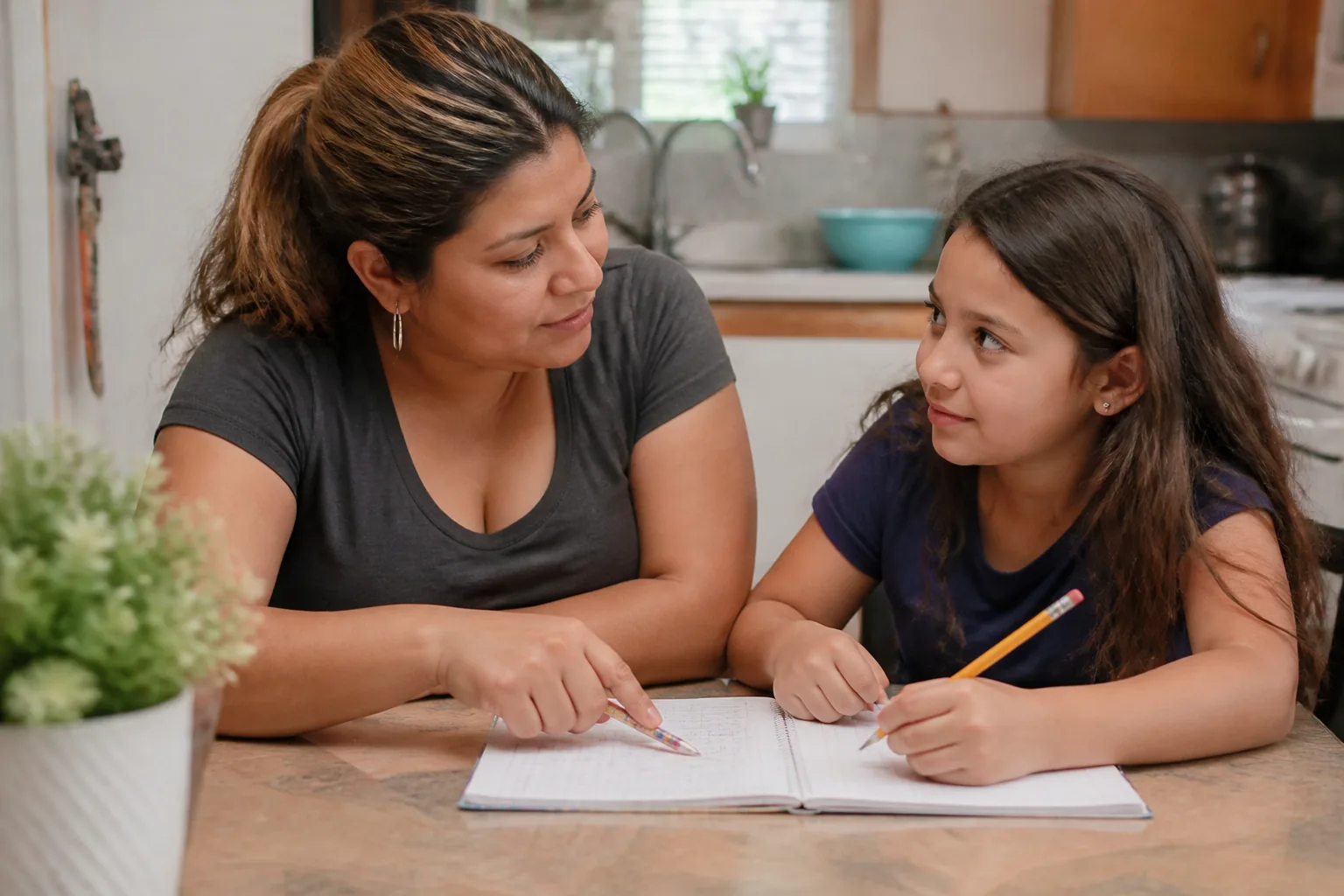
    That is a useful place to begin with your child. You do not need an elaborate lesson about the apostles. Try this: “Jude asked Jesus a question. What is something you wish you could ask someone today?”

    Leave room for an ordinary answer. It might concern a math assignment, a friendship or why your family cannot buy something right now. You do not have to turn every answer into a teaching moment. You can simply listen.

    Give your child words to borrow

    Instead of telling your child only to “speak up,” offer a sentence they can actually use. Practice together when nothing urgent is happening.

    • “I understand the first part. Can you explain the next part?”
    • “I want to try, but I need someone beside me.”
    • “I don’t know how to ask this.”
    • “Can we talk somewhere private?”

    You can take turns pretending to be the teacher, coach or trusted adult. Keep it brief. This is not another assignment your child needs to get right.

    You can also make your own requests visible without handing adult worries to your child. “I’m asking someone to explain this form” is enough. You do not need to share the overdue balance or the whole conversation.

    Let prayer be honest, not a bargain

    The Catechism acknowledges the difficulty of praying when a request seems unheard. It asks whether we approach God as an instrument to use or as a Father. Catholic prayer is not a promise that the right words will produce the result we want.

    For your family, that means you can pray plainly without promising an outcome. You might say: “Jesus, this is hard. Help us tell the truth about what we need. Help us recognize someone who can help.”

    If your child asks why a problem remains after prayer, you can answer honestly: “I don’t know why this hasn’t changed. We can keep praying, and we can keep asking for help.” You do not need to defend God with an explanation you do not have.

    Make receiving help part of family life

    You may want your child to be generous. Make room for receiving, too. Consider the message in these ordinary sentences: “Our neighbor helped us today.” “Someone showed me how to do that.” “I’m glad we asked.”

    Try not to attach a confession of failure to every thank-you. You can appreciate assistance without calling yourself disorganized, helpless or a bad parent.

    Keep your child’s privacy in mind as well. Asking for help does not mean telling the whole parish, team or family group chat. Let your child know what you plan to share and with whom whenever you reasonably can.

    In Corpus Christi, a first question can be practical

    If groceries are the concern, the Coastal Bend Food Bank says you can call with your ZIP code for a referral to a nearby partner agency. Its Find Food page explains that individual pantries determine eligibility under applicable income guidelines. Call 361-887-6291 and ask where to begin, then confirm the pantry’s hours and requirements before traveling.

    If paperwork is the barrier, the food bank also offers application and renewal assistance for programs including SNAP, Medicaid and CHIP. Its social services page provides an online request form and describes phone and in-person assistance. Asking a navigator to explain a form is a practical request, not a personal failure.

    You do not need to make that call in front of your child. The family lesson can be as simple as: “There are people whose work is helping families find the next step.”

    You can begin with one question

    Ignite Fit, Ignite His Glory’s free family fitness and nutrition program for children in Nueces County, is another place to begin a conversation. We are Catholic in faith and open to everyone. Faith is never a condition of help, and you do not need polished answers before reaching out. Season One dates will be announced soon.

    Your next step: open Ignite His Glory’s Contact page, choose “Register a child,” and send your question about Ignite Fit. Start with what you need to know.

    Sources

    Not medical advice. Ignite His Glory is a community and faith organization, not a healthcare provider. We explain publicly available guidance so families can have better conversations with a doctor. Always talk with your child’s clinician before changing diet, exercise or any medication.

    ← Back to all posts

    Ten weeks. One coach. No cost to your family.

    Ignite Fit puts this into practice for children ages 8 to 17 in Corpus Christi — movement, a teaching kitchen and a family that learns alongside the child.

    Keep Reading

    More from the blog.

    All Saints, All Souls and a child's questions about the ones we miss
    Faith & Family

    All Saints, All Souls and a child’s questions about the ones we miss

    This Sunday and Monday the Church remembers the saints and the faithful departed, and your child may ask about someone who has died.
    Halloween is Saturday: a candy plan for the three-day weekend
    Family Health

    Halloween is Saturday: a candy plan for the three-day weekend

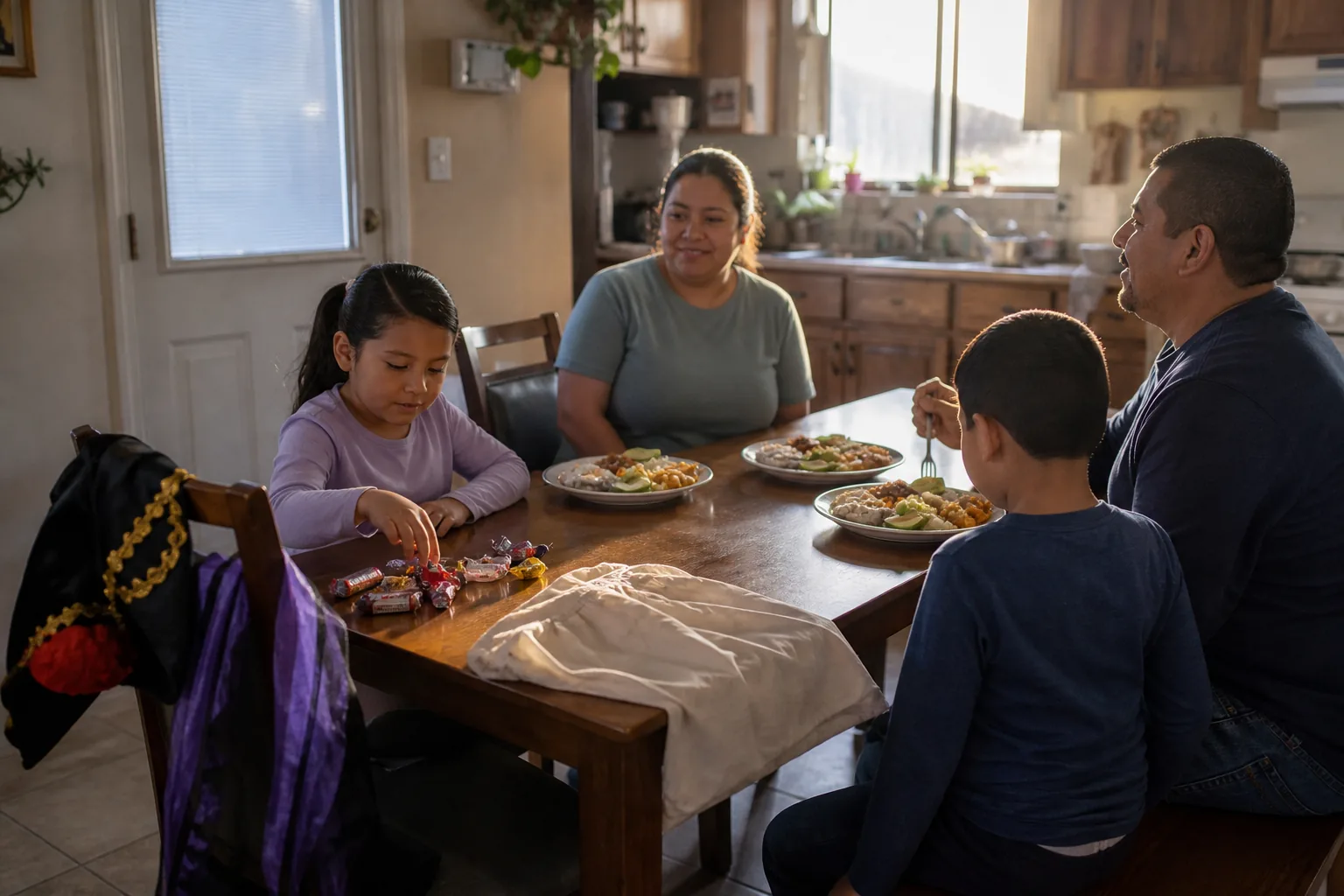
    Halloween, All Saints Day and All Souls Day fall on three days in a row this year, so here is a calm candy plan and one small family habit for each day.
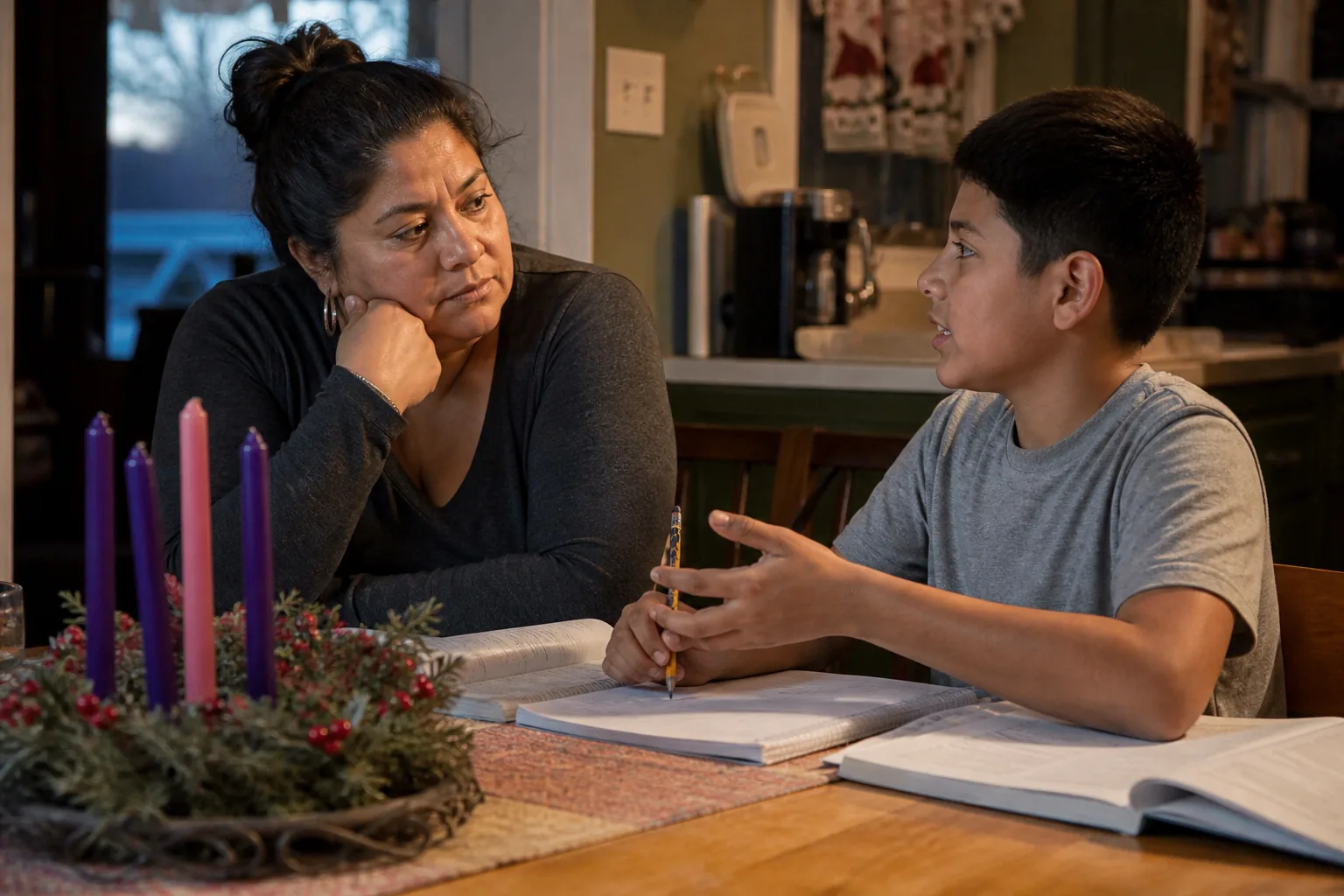
    Advent and Lent: family habits that outlast a season
    Faith & Family

    Advent and Lent: family habits that outlast a season

    Choose one small practice of prayer, attention or repair, then give it a place in family life that stays when the decorations come down.

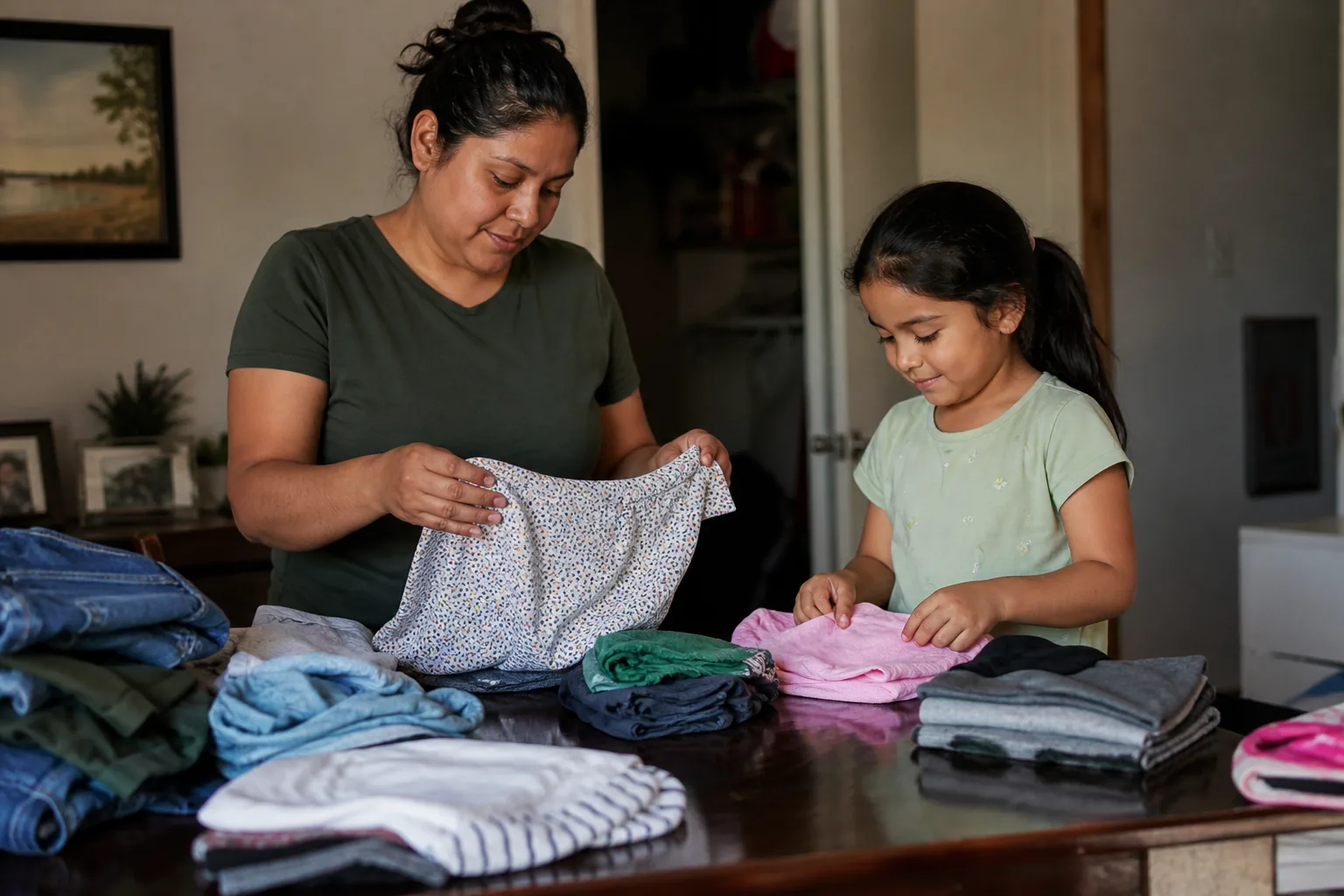
    All posts →

  • All Saints, All Souls and a child’s questions about the ones we miss

    All Saints, All Souls and a child’s questions about the ones we miss

    Faith & Family · October 26, 2026

    All Saints, All Souls and a child’s questions about the ones we miss

    This Sunday and Monday the Church remembers the saints and the faithful departed, and your child may ask about someone who has died.

    This Sunday is All Saints. Monday is All Souls. In the middle of a week of school, practice and leftover candy, your child may ask a question you did not plan for. Where do people go when they die?

    Many Corpus Christi families have already started remembering. The Día de los Muertos Street Festival filled downtown on Saturday, October 24, and included a Community Ofrenda Display honoring loved ones. Whether your family builds an altar, lights one candle or stays quiet, this week is a natural time for the subject to come up.

    What the Church remembers this week

    November 1 is the Solemnity of All Saints. The next day, the Church invites us to commemorate all the faithful departed. Monday, November 2, is that day, often called All Souls.

    The Catechism explains why Catholics pray for the dead. From the beginning the Church has honored the memory of the dead and offered prayers for them, above all in the Eucharist. Prayer for the dead is also one of the spiritual works of mercy.

    Pope Leo XIV spoke about memory at Rome’s Verano Cemetery last year. He said we keep our loved ones with us in our hearts, even though they left us when they died. He said faith lets us hold those memories as “more than just a recollection of the past but also, and above all, as hope for the future.”

    You do not have to be Catholic to light a candle for your grandmother. Every family remembers. Faith is never a condition of anything we do at Ignite His Glory.

    Children meet loss earlier than we expect

    A 2016 report from the American Academy of Pediatrics said the vast majority of children experience the death of a close family member or friend during childhood, and about one in 20 experiences the death of a parent. The AAP has since revised that clinical report. Those numbers are from 2016, but the point still stands. Your child is probably not the only one in the classroom carrying a loss.

    What pediatricians suggest about the conversation

    This is not medical advice, and your child’s own doctor knows your child best. These ideas come from the AAP’s HealthyChildren.org:

    • Be clear and honest. Use words that match your child’s age and stage.
    • Do not assume an older child is fine. One opener the AAP suggests is “I’m wondering which part of this is the hardest for you.”
    • Expect some kids to hide it. Children may keep their grief quiet because they think sharing it will make their parents feel worse.
    • Expect it to take a long time. A child will not simply “get over” a death within a few months or even a year.
    • Look for company. The AAP says children’s bereavement groups and camps exist, and some programs are free. Your pediatrician’s office is a good place to ask.

    Four ordinary ways to remember

    None of these needs a budget or a script.

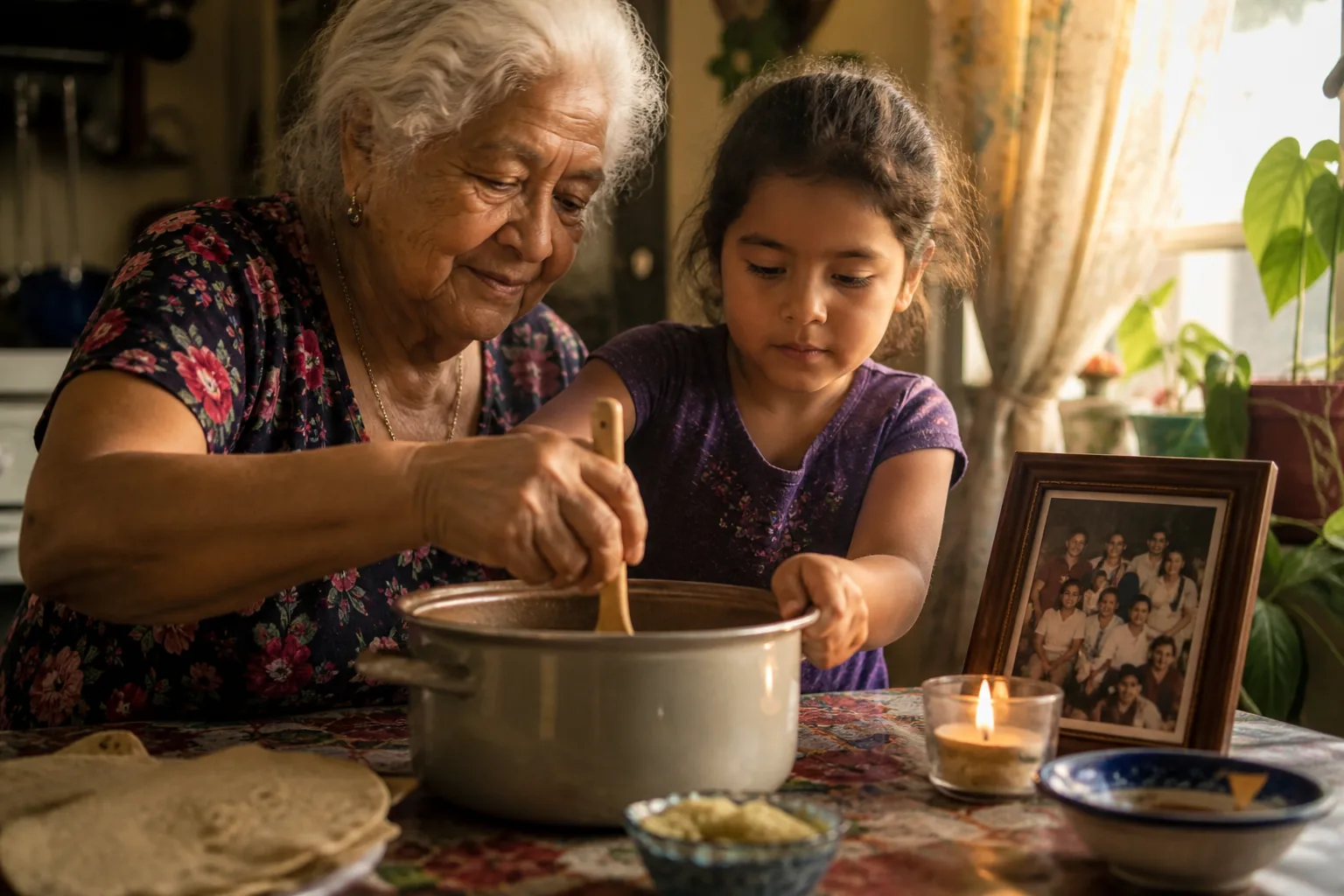
    • Cook the dish. Pick one recipe from the person you miss and let your child stir. Say who taught it to you.
    • Make a small shelf. Put out a photo and a candle. Add one new story each evening this week.
    • Take a walk. Go somewhere that person loved, such as the bayfront, a park or the block where they lived. Walking makes it easier for some children to talk.
    • Pray one short prayer. The Eternal Rest prayer takes about fifteen seconds. A child can say it with you.

    Sunday is also the weekend the clocks fall back. Daylight Saving Time ends at 2:00 a.m. on November 1. That can make a tender weekend feel even longer. Go easy on bedtime and dinner.

    Why we mention food, movement and sleep

    Here is where this connects to our work. One health system’s guidance for grieving children lists a regular routine, eating well, staying hydrated, physical activity and good sleep as vital. In a hard week, the ordinary rhythms of the day give a child something steady to stand on. You do not have to fix anything. Keep the meals, the movement and the bedtime as steady as you can, and stay close.

    That is the thinking behind Ignite Fit, our free family fitness and nutrition program for children here in the Coastal Bend. Move sessions are 45 minutes and coach-led. Sessions open and close in prayer. Families are invited and never required. Nobody is asked to explain what is going on at home.

    One next step

    This week, choose one way to remember, and do it with your child. A recipe, a photo or a walk is enough. If your child seems stuck or very sad, call your pediatrician.

    When you are ready, visit the Ignite His Glory website to learn about Ignite Fit. Season One dates will be announced soon.

    Sources

    Not medical advice. Ignite His Glory is a community and faith organization, not a healthcare provider. We explain publicly available guidance so families can have better conversations with a doctor. Always talk with your child’s clinician before changing diet, exercise or any medication.

    ← Back to all posts

    Ten weeks. One coach. No cost to your family.

    Ignite Fit puts this into practice for children ages 8 to 17 in Corpus Christi — movement, a teaching kitchen and a family that learns alongside the child.

    Keep Reading

    More from the blog.

    Even an apostle asked a question: teaching your child to ask for help
    Faith & Family

    Even an apostle asked a question: teaching your child to ask for help

    The feast of Saints Simon and Jude offers a simple opening to tell your child that needing help is nothing to hide.

    Halloween is Saturday: a candy plan for the three-day weekend
    Family Health

    Halloween is Saturday: a candy plan for the three-day weekend

    Halloween, All Saints Day and All Souls Day fall on three days in a row this year, so here is a calm candy plan and one small family habit for each day.

    Advent and Lent: family habits that outlast a season
    Faith & Family

    Advent and Lent: family habits that outlast a season

    Choose one small practice of prayer, attention or repair, then give it a place in family life that stays when the decorations come down.
    All posts →

  • Advent and Lent: family habits that outlast a season

    Advent and Lent: family habits that outlast a season

    Faith & Family · October 21, 2026

    Advent and Lent: family habits that outlast a season

    Choose one small practice of prayer, attention or repair, then give it a place in family life that stays when the decorations come down.

    You do not need another family challenge with a chart you will feel bad about abandoning. You need something small enough to survive a missing permission slip, a late shift and a child who cannot find a shoe.

    As you look ahead to Advent, try a different question. Instead of asking, “What should we add this season?” ask, “What would we want to keep afterward?”

    Maybe it is a brief prayer together. Maybe it is listening without reaching for a phone. Maybe it is learning to apologize without adding “but you started it.” Choose one, not all three.

    Let each season do its own work

    Advent and Lent are not interchangeable self-improvement projects. Advent turns us toward Christ’s coming. The Church’s Compendium of the Catechism describes it as a yearly return to the long expectation of the Savior. Your family practice can begin there: making room to notice, wait and welcome.

    Lent invites repentance and a return to God. The Catechism names prayer, reconciliation and concern for others among the expressions of conversion. That gives you a wider starting point than a household contest about who can give up the most.

    You might practice attentive waiting in Advent and repairing hurt in Lent. Neither has to disappear when the season ends. Keep the seasonal meaning, then carry one ordinary expression of it into the rest of the year.

    Give the practice a place to live

    “We should pray more” is a hope. “After we put the dinner dishes by the sink, we will say one short prayer” is a plan you can picture.

    A 2022 study in Frontiers in Psychology examined habit building among university students and users of a habit-building app. A more stable setting was associated with actions becoming more automatic and with better follow-through. It was not a study of children or family prayer, so it cannot promise results for your household. It does offer a useful planning idea: connect the new action to something that already happens.

    Try completing this sentence together: “After we _____, we will _____.”

    • After we set down our backpacks, we will take a quiet moment together.
    • After we clear the table, we will each name one person to pray for.
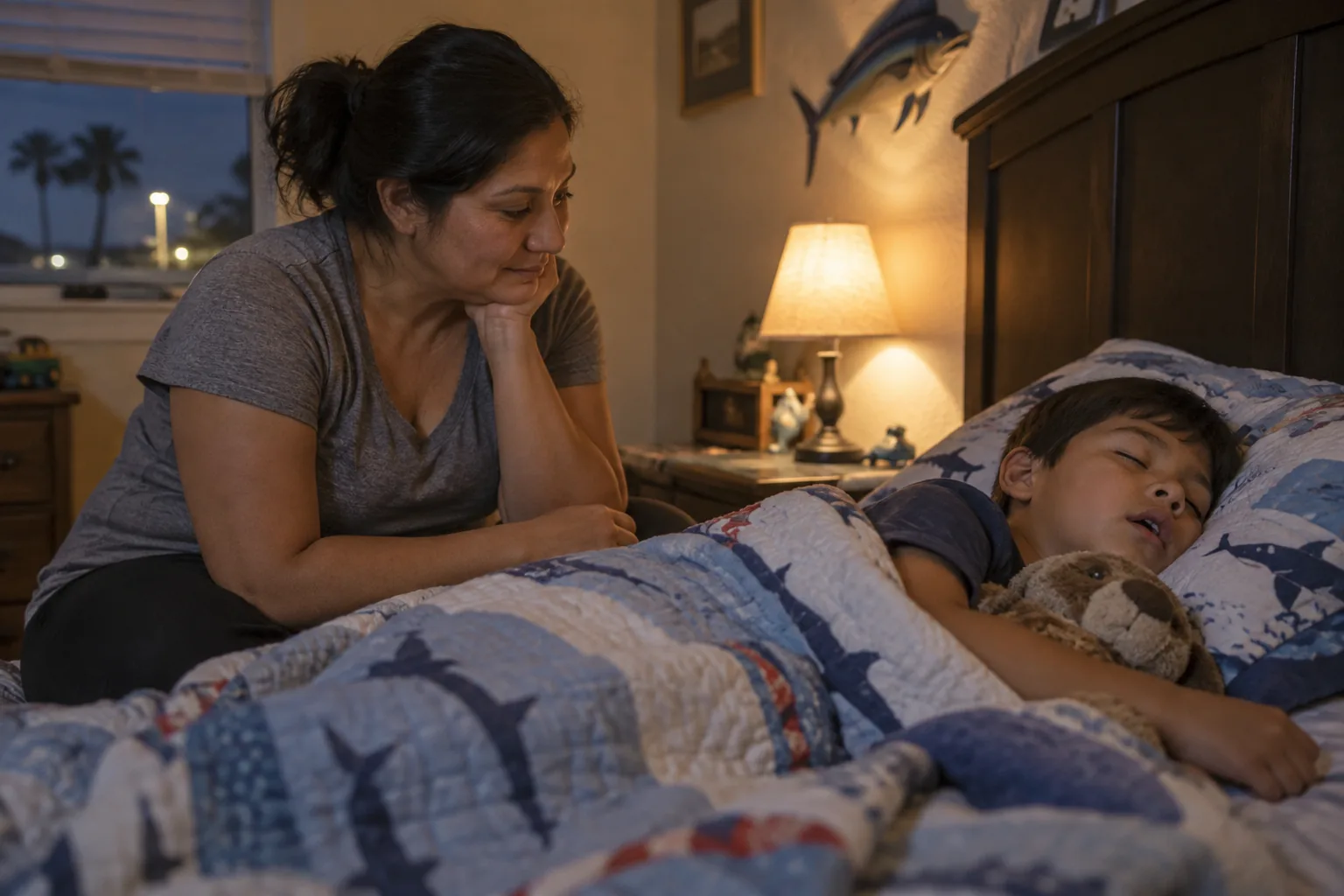
    • Before we say goodnight, we will ask whether anything between us needs repair.

    These are options, not a checklist. Pick the one that fits the family you actually have.

    An Advent habit: leave room for an answer

    For Advent, consider one unhurried question at a time you already share: “What are you hoping for?”

    Your child might say a bicycle. They might say they hope a friend sits with them tomorrow. You do not have to turn every answer into a lesson. Listen first. You can finish with a simple prayer: “Jesus, help us welcome you and one another.”

    The Compendium identifies the Christian family as a first place of learning prayer and recommends daily family prayer. It does not require your kitchen to look like a chapel before you begin. A brief, sincere prayer beside the homework pile is a reasonable place to start.

    When Advent ends, the question can become, “What is on your mind?” The seasonal words change. The space you make for your child can stay.

    A Lenten habit: practice making things right

    For Lent, you might choose a small practice of repair. Start with yourself, rather than assigning your child a behavior to fix.

    Try: “I interrupted you. I am sorry. Please finish what you were saying.” Or: “I promised to help and forgot. Let us choose a time now.”

    Invite your child to try the same kind of plain language. Do not demand a public confession around the dinner table. Leave room for a private conversation, and do not insist that someone stop feeling hurt immediately.

    The practice you are choosing is not a perfect evening. It is returning to one another after an imperfect one.

    Plan for an ordinary Corpus Christi week

    Picture the practice on a regular Nueces County school night, not only on a quiet Sunday. Perhaps you are still coming home along South Padre Island Drive while another adult handles dinner. Perhaps your children move between households.

    Choose a cue that belongs to your time together. It need not happen at the same clock time in every home. And it need not require supplies, a special purchase or another drive across town.

    If you miss an evening, begin again at the next opportunity. You do not owe the calendar extra prayers to catch up.

    Carry something small forward

    That is the spirit we want to bring to Ignite Fit, our free children’s fitness and nutrition program in Corpus Christi: family participation that reaches beyond a season. We are Catholic in faith and open to everyone; belief is never a condition of help. Season One dates will be announced soon. Your next step: visit our Contact page, choose “Register a child,” and ask to receive the season dates and forms.

    Sources

    ← Back to all posts

    Ten weeks. One coach. No cost to your family.

    Ignite Fit puts this into practice for children ages 8 to 17 in Corpus Christi — movement, a teaching kitchen and a family that learns alongside the child.

    Keep Reading

    More from the blog.

    All Saints, All Souls and a child's questions about the ones we miss
    Faith & Family

    All Saints, All Souls and a child’s questions about the ones we miss

    This Sunday and Monday the Church remembers the saints and the faithful departed, and your child may ask about someone who has died.

    Halloween is Saturday: a candy plan for the three-day weekend
    Family Health

    Halloween is Saturday: a candy plan for the three-day weekend

    Halloween, All Saints Day and All Souls Day fall on three days in a row this year, so here is a calm candy plan and one small family habit for each day.

    The beloved physician: St. Luke's feast and your child's yearly checkup
    Faith & Family

    The beloved physician: St. Luke’s feast and your child’s yearly checkup

    The Church remembers St. Luke, patron of physicians, on Sunday, October 18. Here is what a physician saint can say to a parent deciding whether to book this year’s checkup.

    All posts →

  • The beloved physician: St. Luke’s feast and your child’s yearly checkup

    The beloved physician: St. Luke’s feast and your child’s yearly checkup

    Faith & Family · October 16, 2026

    The beloved physician: St. Luke’s feast and your child’s yearly checkup

    The Church remembers St. Luke, patron of physicians, on Sunday, October 18. Here is what a physician saint can say to a parent deciding whether to book this year’s checkup.

    A doctor who wrote a Gospel

    On Sunday, October 18, the Church remembers St. Luke. St. Paul calls him “the beloved physician” in his letter to the Colossians, and Luke is the author of the Third Gospel and the Acts of the Apostles.

    Luke also gave us a story you may have told your child at bedtime. The parable of the Good Samaritan is found only in his Gospel. A stranger stops for a hurt man, tends his wounds, and makes sure he keeps being cared for.

    We wrote about the works of mercy earlier this week. Today is smaller and closer to home. What does a physician saint say to a parent deciding whether to book a checkup?

    Caring for the body is part of faith

    The Catechism, in its section on Christ the physician, teaches that Jesus came to heal the whole man, soul and body, and is “the physician the sick have need of.” It adds that his love for the sick has drawn Christians through the centuries to care for those who suffer in body and soul.

    Nothing in that teaching asks you to be anxious. It does not treat good health as a trophy. It says the body matters to God, so ordinary care of it is a quiet form of love. We made the longer case in A temple, not a trophy.

    What a yearly checkup does

    HealthyChildren.org, the American Academy of Pediatrics site for parents, says seeing the doctor at least once a year helps keep track of your child’s growth and development. The same page says regular screenings of vision, hearing, balance, breathing and heart function can identify possible problems, from mild to life-threatening.

    It also says the doctor can ask about mental and emotional health and offer guidance on nutrition, physical activity, sleep and a family media plan. That is a lot of help for one appointment.

    For some healthy kids, the back-to-school visit is the only time they see a pediatrician. That page is written with August in mind, but October is not too late to call. Ask the office what they recommend for your child.

    What to bring

    • A Medicaid or CHIP ID card, a list of your child’s medications, current immunization records, and a list of your questions, which is the checklist one Texas health plan gives its members.
    • Your one-page family health history, if you made one after our earlier post on that.
    • One thing you have noticed lately. It might be loud snoring, a tired child, a sore tooth, or a comment about their body. Small details help a doctor.

    If your child has Medicaid, the visit is free

    Texas Health Steps is free healthcare and related services for children birth through age 20 who have Medicaid. The Texas Health and Human Services page lists medical checkups, dental checkups starting at 6 months, health education, and rides to the doctor or dentist. A state eligibility handbook describes one checkup a year for children 6 through 10.

    Not sure where to start? The Texas Health Steps toll-free number, 877-847-8377, can help you find a doctor or dentist and set up a checkup.

    The state’s family resources site adds that Children’s Medicaid and CHIP cover regular checkups, hospital services, dental care, vision and hearing services. If you are not sure your child qualifies, our earlier post on uninsured children in Nueces County walks through it.

    A checkup is not a verdict

    Some parents put off the appointment because they dread a talk about weight. That is understandable, and you are not alone in it.

    If the topic comes up, you can ask the doctor how to talk about it at home, in words your child can hear without feeling ashamed. We covered why “just lose weight” fails children in an earlier post. The short version is that the visit is for noticing and helping, not for scoring.

    Think of Luke’s work this way. A physician’s first skill is paying attention. You have been paying attention to your child since the day they were born, and a checkup lets you share what you see with someone trained to help.

    Where Ignite Fit fits

    Ignite Fit is the free family fitness and nutrition program for children run by Ignite His Glory here in Corpus Christi. It is open to everyone. Our sessions open and close in prayer, and families are invited, never required. Faith is never a condition of help.

    Our coaches are not doctors. We do not diagnose, and we do not replace your child’s pediatrician. We hope to work beside your doctor by giving your child a place to move, learn about food, and have fun with other kids and with you.

    Season One dates will be announced soon.

    One next step

    This week, call your child’s doctor’s office and ask for the next available well-child visit. Write down two questions before you go.

    If coverage is the hurdle, the Coastal Bend Food Bank lists free application assistance under Social Services at 5442 Bear Lane, phone (361) 887-6291. Call and ask what they can help with for your child’s application.

    St. Luke, patron of physicians, pray for our doctors, our nurses, and the children in their care.

    Sources

    Not medical advice. Ignite His Glory is a community and faith organization, not a healthcare provider. We explain publicly available guidance so families can have better conversations with a doctor. Always talk with your child’s clinician before changing diet, exercise or any medication.

    ← Back to all posts

    Ten weeks. One coach. No cost to your family.

    Ignite Fit puts this into practice for children ages 8 to 17 in Corpus Christi — movement, a teaching kitchen and a family that learns alongside the child.

    Keep Reading

    More from the blog.

    Halloween is Saturday: a candy plan for the three-day weekend
    Family Health

    Halloween is Saturday: a candy plan for the three-day weekend

    Halloween, All Saints Day and All Souls Day fall on three days in a row this year, so here is a calm candy plan and one small family habit for each day.

    Advent and Lent: family habits that outlast a season
    Faith & Family

    Advent and Lent: family habits that outlast a season

    Choose one small practice of prayer, attention or repair, then give it a place in family life that stays when the decorations come down.

    Corporal works of mercy, explained for a 9-year-old
    Faith & Family

    Corporal works of mercy, explained for a 9-year-old

    Help your child understand seven ways to care for a neighbor, then choose one small act your family can do together.

    All posts →

  • Corporal works of mercy, explained for a 9-year-old

    Corporal works of mercy, explained for a 9-year-old

    Faith & Family · October 14, 2026

    Corporal works of mercy, explained for a 9-year-old

    Help your child understand seven ways to care for a neighbor, then choose one small act your family can do together.

    Your child hears “corporal works of mercy” and asks what it means. You do not need a lesson plan. You can start at the kitchen table, while you fold laundry, or on the drive home.

    Try this: “They are ways we care for people’s bodies because every person matters to God.” Corporal means bodily. Mercy means noticing someone’s need and responding with love. Pope Francis explained that these works meet people’s material needs, often through small, everyday actions.

    Start with a person, not a vocabulary test

    You might ask your child: “If you were hungry, would it help if someone only said, ‘Hope you find lunch’?”

    Then ask: “What could that person actually do?”

    That is the difference you are teaching. Kind words matter, but someone who needs food also needs something to eat. The Catechism describes works of mercy as actions that help our neighbors with their bodily and spiritual needs.

    In Matthew 25, Jesus identifies himself with people who are hungry, thirsty, strangers, without clothing, sick, or imprisoned. In child-sized language: when we care for someone in need, we are serving Jesus, too.

    The seven works, in everyday words

    The Church’s traditional list includes feeding, giving drink, clothing, sheltering, visiting the sick and imprisoned, and burying the dead. Here are suggested ways to explain each one to your child, with an adult handling arrangements and safety.

    1. Feed the hungry

    “Help people get food when they do not have enough.”

    You could let your child help prepare a meal for a family you know, or choose an item a pantry has requested. Ask what is needed before buying. The point is not clearing unwanted cans from your cabinet. It is helping someone eat.

    2. Give drink to the thirsty

    “Help people have something to drink when they need it.”

    Try a simple family habit: when you set out water for an outdoor gathering in Corpus Christi, check whether everyone has been offered some. Let your child help fill cups. Explain that noticing who has been left out is part of caring.

    3. Clothe the naked

    “Help people get clothes that fit and give them comfort and privacy.”

    The old wording may make your child giggle. Explain it plainly, then sort a small stack together. Suggest checking for stains, broken zippers, and missing buttons. Ask: “Would we feel comfortable giving this to a friend?” Follow the receiving organization’s requests.

    4. Shelter the homeless

    “Help people who do not have a safe place to stay.”

    Your child is not responsible for finding someone a home. You could ask a local organization whether it needs household supplies, then choose one requested task together. Welcoming a new classmate is another way to practice hospitality, but explain that people without housing also need practical help.

    5. Visit the sick

    “Help someone who is sick know they have not been forgotten.”

    You might arrange a call with a relative, make a card, or help with a requested errand. Let the person and their caregiver decide what contact works for them. Your child’s role is companionship, not fixing the illness.

    6. Visit the imprisoned

    “Remember that people in prison are still people who deserve care.”

    You can explain that caring about someone does not mean saying every action is right. For a 9-year-old, consider asking your parish about an established prison ministry and whether it has an appropriate family task. Do not arrange independent contact or share your child’s personal information.

    7. Bury the dead

    “Treat the body of someone who has died with respect, and care for the people who miss them.”

    Your child does not have to perform a burial. You might attend a funeral together when appropriate, help bring a requested meal afterward, or accompany a relative to tend a family grave. Make room for questions without requiring your child to feel a certain way.

    Keep the neighbor’s dignity at the center

    Try setting three family ground rules: ask before helping, protect people’s privacy, and do not expect a thank-you performance. Skip photographs of people receiving help. Let your child participate without turning someone else’s difficult day into a public lesson.

    If your own family needs food, you belong in this conversation, too. Coastal Bend Food Bank’s Find Food page lists partner pantries serving Corpus Christi. You can call 361-887-6291 with your ZIP code for a referral. Confirm eligibility and distribution details with the pantry before traveling.

    Choose one next step

    At Ignite Fit, our free family fitness and nutrition program, children practice caring for others as well as themselves. The program includes a shared corporal work of mercy. We are Catholic and open to everyone; faith is never a condition of help.

    Want your child to take part? Use Ignite His Glory’s contact form and choose “Register a child” to request Ignite Fit’s season information and forms. Season One dates will be announced soon.

    Sources

    ← Back to all posts

    Ten weeks. One coach. No cost to your family.

    Ignite Fit puts this into practice for children ages 8 to 17 in Corpus Christi — movement, a teaching kitchen and a family that learns alongside the child.

    Keep Reading

    More from the blog.

    Advent and Lent: family habits that outlast a season
    Faith & Family

    Advent and Lent: family habits that outlast a season

    Choose one small practice of prayer, attention or repair, then give it a place in family life that stays when the decorations come down.
    The beloved physician: St. Luke's feast and your child's yearly checkup
    Faith & Family

    The beloved physician: St. Luke’s feast and your child’s yearly checkup

    The Church remembers St. Luke, patron of physicians, on Sunday, October 18. Here is what a physician saint can say to a parent deciding whether to book this year’s checkup.

    Corpus Christi's newest school weight numbers, and how to read them
    Local Data

    Corpus Christi’s newest school weight numbers, and how to read them

    We meant to explain why our best local child weight number was from 2013. Then we found 2023-24 school fitness data for Corpus Christi ISD.

    All posts →

  • Fish on Friday, cake on the feast: the Church’s calendar at your family table

    Faith & Family · October 5, 2026

    Fish on Friday, cake on the feast: the Church’s calendar at your family table

    What Catholic fasting and abstinence actually ask (and never ask of children), why shared meals matter, and a simple feast-and-fast calendar for this fall.

    Catholic families have always eaten by a calendar. Fish on Friday. Ashes and an empty plate on Ash Wednesday. Tamales at Christmas, a full table on Easter Sunday. The Church gave families a rhythm: ordinary days, a few lean days, and real feasts.

    That rhythm can still help a family eat with more peace and less fighting. It can also be misused, especially with a child who worries about weight. Here is what the Church actually asks, what it does not ask of children, and how to bring the calendar to your table this fall.

    What the Church actually asks

    The rules are short. Canon law names the penitential days of the whole Church as “every Friday of the whole year and the season of Lent” (canon 1250). Fridays call for abstinence from meat, or another food the bishops choose, “unless a solemnity should fall on a Friday.” Ash Wednesday and Good Friday are days of both fasting and abstinence (canon 1251). Bishops’ conferences may substitute other forms of penance, “especially works of charity and exercises of piety” (canon 1253). Ask your parish what applies here.

    The Catechism explains the purpose. The days of fasting and abstinence “prepare us for the liturgical feasts; they help us acquire mastery over our instincts and freedom of heart” (CCC 2043). Fasting is there to prepare for the feast, not to punish the body.

    What it does not ask of children

    This part matters most for parents. The law of abstinence starts once a person has completed their fourteenth year. The law of fasting begins at adulthood and ends at the beginning of the sixtieth year (canon 1252). Children are not asked to fast.

    The same canon asks something else of parents: to make sure children who are too young for the rules “are taught the true meaning of penance.” For a 9-year-old, that usually looks like giving something up, being kind to a sibling, or putting a dollar in the poor box. It does not mean skipping meals.

    And please do not turn a fast into a diet. Research on families has found that when parents talk to teens about weight, the teens are more likely to diet and to use unhealthy weight-control behaviors. Talking about healthy eating, without the weight talk, did not carry that risk (Berge and colleagues, JAMA Pediatrics, 2013). If your child is skipping meals, hiding food or seems afraid of eating, talk with their doctor. The National Institute of Mental Health notes that eating disorders are serious illnesses, and they can be treated.

    Why the table itself matters

    The old calendar assumes one thing modern life often loses: a family that eats together. That habit has real research behind it. A 2011 review in Pediatrics pooled 17 studies of more than 182,000 children and teens. Kids who shared family meals 3 or more times a week had 12% lower odds of overweight, 20% lower odds of eating unhealthy foods and 35% lower odds of disordered eating than kids who ate together fewer than 3 times. These studies show a link, not proof of cause, and the review is now more than a decade old. But it points the same way the Church always has: sit down together.

    Friday on the Gulf Coast

    A meatless Friday is one of the easiest healthy habits a Corpus Christi family can keep. Beans and rice, a bean-and-cheese taco, or fish all count. Federal fish advice from the FDA and EPA says children can eat 2 servings a week from the “Best Choices” list. A serving is about 2 ounces at ages 4 to 7, 3 ounces at ages 8 to 10, and 4 ounces from age 11.

    The Best Choices list includes many Gulf favorites, like shrimp, catfish, flounder, crab, tilapia, mullet and Atlantic croaker. If family or friends caught the fish, check local fish advisories first. The FDA says that when there is no advisory, eat only one serving and no other fish that week.

    The calendar for the next few months

    DateWhat it isA family table idea
    Every FridayPenitential dayMeatless supper the kids help cook
    Sun., Nov. 1All SaintsA real dessert, and each person names a saint
    Sun., Nov. 29First Sunday of AdventLight the first candle before supper
    Fri., Dec. 25Christmas, a solemnityFriday abstinence gives way to the feast (canon 1251)
    Wed., Feb. 10, 2027Ash WednesdayAdults 18-59 fast; children eat normal meals and choose a small act of penance

    Feast like you mean it

    Here is a simple way to think about it. Most days are ordinary: regular meals, water with dinner, fruit after school. A few days are lean. Feasts are real feasts: the good food comes out, and nobody counts or apologizes.

    That is not a “cheat day.” The Catechism calls temperance the virtue that helps us “avoid every kind of excess” (CCC 2290). On a feast, temperance does not mean refusing food. It means enjoying it with gratitude, at a table, with people you love.

    Sunday helps too. The Catechism calls the Lord’s Day a time for “the joy proper to the Lord’s Day” and “the appropriate relaxation of mind and body” (CCC 2185).

    Where Ignite Fit comes in

    Every Ignite Fit session includes 30 minutes of Fuel: hands-on cooking with real groceries, where kids make the meal and eat it, “taught as a life skill, never a diet.” Faith is offered in 20 minutes of Scripture, virtue and prayer, and it is never a condition of joining. Parents are welcome at every session, and no parent is ever asked to drop off and leave. Season One is free, for ages 8 to 17 in Nueces County, and dates will be announced soon. Register a child or ask us a question.

    Not medical advice. Ignite His Glory is a community and faith organization, not a healthcare provider. We explain publicly available guidance so families can have better conversations with a doctor. Always talk with your child’s clinician before changing diet, exercise or any medication.

    ← Back to all posts

    Ten weeks. One coach. No cost to your family.

    Ignite Fit puts this into practice for children ages 8 to 17 in Corpus Christi — movement, a teaching kitchen and a family that learns alongside the child.

    Keep Reading

    More from the blog.

    Flu shots this fall: what changed in Washington, and what did not
    Family Health

    Flu shots this fall: what changed in Washington, and what did not

    The federal childhood vaccine schedule has been in court all year. Here is where your child’s flu shot stands in October 2026, which kids are at higher risk, and where to get one in Nueces County.

    Where to find a doctor, free vaccines, WIC and food in Corpus Christi
    Local Data

    Where to find a doctor, free vaccines, WIC and food in Corpus Christi

    A checked, call-first list of local clinics, free vaccines, WIC offices and food pantries a family can use this week, with or without insurance.

    Whole milk is back on the school lunch tray. What should your child drink at home?
    Family Health

    Whole milk is back on the school lunch tray. What should your child drink at home?

    A new federal law lets schools serve whole milk again, and the new Dietary Guidelines favor full-fat dairy, while pediatricians’ guidance still says low-fat after age 2. Where the experts agree, where they don’t, and what matters more than fat.

    All posts →

  • Brother Sun, Sister Water: a St. Francis walk with your child this weekend

    Faith & Family · October 3, 2026

    Brother Sun, Sister Water: a St. Francis walk with your child this weekend

    For the feast of St. Francis on October 4: how to pray his Canticle of the Creatures on a one-hour family walk, why time outside matters for Texas kids, and how to keep it safe in South Texas sun.

    Tomorrow, Sunday, October 4, the Church remembers St. Francis of Assisi. Most of us picture him the same way: a brown habit, a bird on his shoulder, a statue in someone’s garden. That picture is not wrong, but it is small. Francis chose poverty, preached to the flowers and called the sun his brother.

    This weekend is a good excuse to do one simple thing with your child: go outside together, on foot, for about an hour, and pray the way he did.

    What Francis actually prayed

    Francis wrote a song of praise now called the Canticle of the Creatures. Pope Francis took the first words of it, Laudato si’, “Praise be to you,” as the title of his 2015 letter on care for creation, and quotes it in paragraph 87:

    “Praised be you, my Lord, with all your creatures, especially Sir Brother Sun, who is the day and through whom you give us light… Praised be you, my Lord, through Sister Water, who is very useful and humble and precious and chaste.”

    The same letter says Francis, “whenever he would gaze at the sun, the moon or the smallest of animals, … burst into song” (no. 11), and that he asked for part of the friary garden to be left wild so people who saw the flowers “could raise their minds to God” (no. 12). It also says something parents will recognize: “In the family we first learn how to show love and respect for life” and “to say ‘thank you’ as an expression of genuine gratitude” (no. 213).

    In other words, the Canticle is a prayer you say with your eyes open. That makes it easy to pray with a child who will not sit still.

    Why the outside part matters

    National guidelines from the U.S. Department of Health and Human Services ask children ages 6 to 17 to get 60 minutes or more of moderate-to-vigorous activity every day. In Texas, most children do not get there. The UTHealth Houston Dell Center’s Texas SPAN survey (2021–2023) found that only 23% of Texas school-age children were active 60 or more minutes on all seven days of the past week. On average, Texas kids met the guideline about 4.3 days a week.

    Being outdoors seems to help. A 2015 systematic review of 28 studies of children ages 3 to 12 found that more time outside went with more physical activity, less sitting and better heart-lung fitness. The authors were careful to say this shows a link, not proof of cause, because there were no randomized trials. One randomized trial did look at a different benefit: in 12 schools in Guangzhou, China, adding one 40-minute outdoor class to each school day lowered the share of first graders who became nearsighted over three years, from 39.5% to 30.4%. That was a single study in a different country, but it is a reminder that time outside does more than burn energy.

    A one-hour St. Francis walk

    You do not need a park, a car or anything you have to buy. A sidewalk, a school track open to the public, the seawall or the bay front, or the block around your church will do.

    • Start with one line. Before you leave, read the Brother Sun line above together. That is the whole opening prayer.
    • Play “brother and sister.” As you walk, take turns naming what you see the way Francis did: Brother Wind, Sister Bird, Brother Pelican, Sister Palm Tree. Younger children love this. Older ones will roll their eyes and then join in.
    • Let it be real exercise. Walk fast enough to talk but not sing. Race to the next stop sign. Count stairs. Moderate activity means breathing harder than normal, not a forced march.
    • Stop once for Sister Water. Bring a bottle for everyone and drink at the halfway point. Francis called water “useful and humble and precious.” So is a water break.
    • End with thank you. Each person names one thing they saw that they are grateful for. Write them down when you get home if you like.

    Keep it safe in South Texas sun

    Early October here can still feel like summer. The American Academy of Pediatrics suggests limiting sun exposure between 10 a.m. and 4 p.m., when UV rays are strongest, so an early-morning or after-4 walk is easiest. It recommends a broad-spectrum sunscreen of SPF 15 or higher put on 15 to 30 minutes before going out and reapplied every two hours, plus a hat and sunglasses. If the heat index is high, the National Weather Service notes that full sun can make it feel up to 15 degrees hotter, so choose shade and shorten the walk. If your child has asthma, check the air quality index first and bring the inhaler.

    Where Ignite Fit fits

    You do not have to be Catholic to take a walk and say thank you, and you do not have to pray at all to belong at Ignite His Glory. Our sessions open and close in prayer; families are invited, never required. What we offer every family is the same: ten weeks of real movement, cooking and encouragement, with parents welcome at every session.

    Season One of Ignite Fit is for ages 8 to 17 in Nueces County, it is free to families, and dates will be announced soon. Until then, an hour outside this weekend is a good place to start. For more on moving with kids, see our post on the after-school hour.

    Sources

    Not medical advice. Ignite His Glory is a community and faith organization, not a healthcare provider. We explain publicly available guidance so families can have better conversations with a doctor. Always talk with your child’s clinician before changing diet, exercise or any medication.

    ← Back to all posts

    Ten weeks. One coach. No cost to your family.

    Ignite Fit puts this into practice for children ages 8 to 17 in Corpus Christi — movement, a teaching kitchen and a family that learns alongside the child.

    Keep Reading

    More from the blog.

    Fish on Friday, cake on the feast: the Church's calendar at your family table
    Faith & Family

    Fish on Friday, cake on the feast: the Church’s calendar at your family table

    What Catholic fasting and abstinence actually ask (and never ask of children), why shared meals matter, and a simple feast-and-fast calendar for this fall.

    Whole milk is back on the school lunch tray. What should your child drink at home?
    Family Health

    Whole milk is back on the school lunch tray. What should your child drink at home?

    A new federal law lets schools serve whole milk again, and the new Dietary Guidelines favor full-fat dairy, while pediatricians’ guidance still says low-fat after age 2. Where the experts agree, where they don’t, and what matters more than fat.

    Snoring, gasping, mouth breathing: when your child’s sleep needs a doctor
    Family Health

    Snoring, gasping, mouth breathing: when your child’s sleep needs a doctor

    Loud nightly snoring in a child is not just a family trait. What sleep apnea looks like at night and during the day, what a sleep study involves in Corpus Christi, and what the research says about treatment.

    All posts →

  • When your child says “I hate my body”: praying the little way together

    Faith & Family · October 1, 2026

    When your child says “I hate my body”: praying the little way together

    On the feast of St. Thérèse of Lisieux, a gentle way to listen, what to say instead of weight talk, and a three-minute bedtime prayer for a discouraged child.

    It usually comes out sideways. In the car after practice, at bath time, or in a mirror on a school morning: I hate how I look. I’m the fattest one in my class. Why is my body like this?

    If your child has said something like that, your stomach probably dropped. Most parents want to fix it on the spot, either by arguing (“You’re beautiful!”) or by quietly agreeing and reaching for a plan. Neither tends to help. Today, October 1, the Church celebrates St. Thérèse of Lisieux, and her “little way” offers a better place to start.

    First, listen before you pray

    A child who says “I hate my body” is telling you something real about how they feel. Before you correct it or bring God into it, ask one question and wait: “What happened today?” Often there is a story underneath, a comment at lunch, a photo, a uniform that did not fit.

    The American Academy of Pediatrics notes that kids who compare their own lives to edited images online can end up with anxiety, envy and sometimes obsessive thoughts. In Texas that pull is strong: according to the UTHealth Dell Center, 90% of school-age children spend two or more hours a day on screens outside of schoolwork (Texas SPAN, 2021–2023). The AAP suggests admitting that comparing ourselves to others is natural, and sharing a moment when you felt it too.

    What not to say, and what to say instead

    How we talk about bodies at home matters. In a 2013 U.S. study of about 2,800 teenagers and 3,700 parents, teens whose parents talked about weight and size were more likely to diet, use unhealthy weight-control behaviors and binge eat. Among teens with higher weight, mothers who talked only about healthy eating, not weight, had kids who were less likely to diet in unhealthy ways. The lesson is simple: talk about habits and care, not pounds and size.

    Instead ofTry
    “You just need to lose a little weight.”“Your body is doing a lot of growing. Let’s take care of it together.”
    “Don’t be silly, you look fine.”“That sounds like it really hurt. Tell me more.”
    “I feel so fat today.” (about yourself)“I’m tired. A walk after dinner would help me.”
    “No more of that junk.”“Let’s cook something together this week.”

    The little way, for a little person

    Thérèse entered a Carmelite convent at fifteen and died at twenty-four. She did not think of herself as strong or impressive. In her autobiography, Story of a Soul, she wrote that she had to “bear with myself such as I am, with all my imperfections,” and still look for “a little way, a way that is very straight, very short, and totally new.”

    She pictured it as an elevator: “the elevator which must raise me to heaven is your arms, O Jesus!” Pope Francis, in his 2023 letter on her, C’est la confiance, sums her up in one word: confidence, “nothing but confidence,” in a God who loves us first.

    That is good news for a discouraged child. Thérèse did not wait to become someone else before she could be loved. Neither does your child.

    A three-minute prayer at bedtime

    You do not need special words. Here is one simple pattern families can use, sitting on the edge of the bed with the lights low.

    • Say it plainly to God. Let your child name the feeling: “Jesus, I felt bad about my body today because…” Do not edit them.
    • Read one line of Scripture. Psalm 139 was written for this: “You formed my inmost being; you knit me in my mother’s womb. I praise you, so wonderfully you made me; wonderful are your works!” (Psalm 139:13–14).
    • Thank God for one thing the body did. Not how it looks: legs that ran at recess, hands that helped with dinner, lungs that sang at Mass.
    • Ask for one small thing. In the spirit of the little way: “Help me be kind to myself tomorrow,” or “Help me try the new game at practice.”

    Pray it with them, not at them. And if your family is not Catholic, or not religious at all, the same pattern still works as a bedtime talk: name it, hear something true, notice what the body can do, pick one small step.

    When it is more than a bad day

    Most body worries pass. Some do not. The National Institute of Mental Health describes eating disorders as serious illnesses, and notes that early detection and treatment matter for recovery. If your child seems fixated on weight or shape, is skipping meals, hiding food or exercising in secret, talk with their pediatrician soon. If your child ever talks about hurting themselves, call or text 988, or call 911 in an emergency.

    Where Ignite Fit fits

    Ignite Fit is built on the same idea. Children train toward a real fitness test, cook real food and talk about the body as something held in trust, never as a scoreboard. Sessions open and close in prayer; families are invited, never required, to take part, and parents are welcome at every session. No parent is ever asked to drop off and leave.

    Season One is free for children ages 8–17 in Nueces County, and dates will be announced soon. If your child could use ten weeks of being encouraged instead of judged, register on the Ignite Fit page or call us at 361-765-2126. St. Thérèse, pray for us.

    Sources

    Not medical advice. Ignite His Glory is a community and faith organization, not a healthcare provider. We explain publicly available guidance so families can have better conversations with a doctor. Always talk with your child’s clinician before changing diet, exercise or any medication.

    ← Back to all posts

    Ten weeks. One coach. No cost to your family.

    Ignite Fit puts this into practice for children ages 8 to 17 in Corpus Christi — movement, a teaching kitchen and a family that learns alongside the child.

    Keep Reading

    More from the blog.

    Fish on Friday, cake on the feast: the Church's calendar at your family table
    Faith & Family

    Fish on Friday, cake on the feast: the Church’s calendar at your family table

    What Catholic fasting and abstinence actually ask (and never ask of children), why shared meals matter, and a simple feast-and-fast calendar for this fall.

    Whole milk is back on the school lunch tray. What should your child drink at home?
    Family Health

    Whole milk is back on the school lunch tray. What should your child drink at home?

    A new federal law lets schools serve whole milk again, and the new Dietary Guidelines favor full-fat dairy, while pediatricians’ guidance still says low-fat after age 2. Where the experts agree, where they don’t, and what matters more than fat.

    Brother Sun, Sister Water: a St. Francis walk with your child this weekend
    Faith & Family

    Brother Sun, Sister Water: a St. Francis walk with your child this weekend

    For the feast of St. Francis on October 4: how to pray his Canticle of the Creatures on a one-hour family walk, why time outside matters for Texas kids, and how to keep it safe in South Texas sun.

    All posts →

  • A temple, not a trophy: a Catholic case for taking health seriously

    Faith & Family · September 25, 2026

    A temple, not a trophy: a Catholic case for taking health seriously

    “Your body is a temple” was never meant as a scolding. Here is what St. Paul and the Catechism actually say about caring for the body, and what it looks like for a family in Corpus Christi.

    Most of us learned the line young: your body is a temple. Too often it was said to shame someone, usually about a cigarette, a second plate or a pair of jeans that no longer fit.

    That is not how St. Paul meant it, and it is not how the Church teaches it. Read in full, the idea is much kinder and much more useful for a family trying to raise healthy kids in Corpus Christi.

    What Paul actually wrote

    The line comes from his first letter to the Corinthians:

    “Do you not know that your body is a temple of the holy Spirit within you, whom you have from God, and that you are not your own? For you have been purchased at a price. Therefore, glorify God in your body.” (1 Corinthians 6:19–20)

    Notice what comes first. Before any instruction, Paul tells people who they are: loved, dwelt in, bought at a great price. The body matters because God chose to live there. Caring for it follows from that; it is not the price of admission.

    The last words, “glorify God in your body,” are where our name comes from. Ignite His Glory is, at its root, an attempt to take that sentence literally.

    What the Church adds

    The Catechism of the Catholic Church builds on Paul in three places worth knowing.

    • The body is good. The human body “shares in the dignity of ‘the image of God,’” and we are obliged “to regard [the] body as good and to hold it in honour since God has created it and will raise it up on the last day” (CCC 364).
    • Health is a gift we look after. “Life and physical health are precious gifts entrusted to us by God. We must take reasonable care of them, taking into account the needs of others and the common good” (CCC 2288). The word is reasonable. Not perfect.
    • Temperance, not extremes. The virtue of temperance “disposes us to avoid every kind of excess,” including “the abuse of food” (CCC 2290).

    Pope Francis put it simply in Laudato Si’: “Learning to accept our body, to care for it and to respect its fullest meaning, is an essential element of any genuine human ecology” (no. 155). Accept first, then care.

    A temple, not a trophy

    Here is the part many people miss. The very next paragraph of the Catechism warns against going too far the other way. It rejects “a neo-pagan notion that tends to promote the cult of the body, to sacrifice everything for its sake, to idolize physical perfection and success at sports” (CCC 2289).

    That matters for children. A child who hears “temple” as “you must look a certain way” has been taught the opposite of what the Church means. A body is not holy because it is thin, fast or strong. It is holy because a person lives in it, and God lives in that person.

    A temple is cared for because of who lives there, not because of how it looks from the street.

    So in our programs you will never hear a child’s worth tied to a scale, a jersey size or a race result. We talk about energy, sleep, water, strength and joy. We celebrate effort.

    Why this is not only a private matter

    The Catechism does not leave health on the shoulders of each family alone. In the same paragraph it says society should help people reach the living conditions that let them grow and mature: “food and clothing, housing, health care, basic education, employment, and social assistance” (CCC 2288).

    In Nueces County that is not abstract. The 2025 Corpus Christi-Nueces County Community Health Assessment reports that 34.4% of adults here report no physical activity or exercise, against 27.6% in Texas and 23.7% nationally, and 44.0% of adults have obesity (CDC PLACES, 2021–2022). Among Texas school-age children, only 23% were active for 60 minutes or more on all seven days of the previous week, according to UTHealth’s Texas SPAN survey (2021–2023).

    Those numbers are not a verdict on anyone’s faith or willpower. Heat, long shifts, two jobs, unsafe streets and tight budgets all shape how a family moves and eats. Caring for the temple is something a parish and a city do together, not something we lecture a tired parent about.

    What this looks like at home

    None of this requires a gym membership or a new diet. A few small, faith-shaped habits:

    • Say the good thing first. Before you correct a habit, tell your child their body is a gift and it is good.
    • Bless the ordinary. Grace before a meal slows everyone down. A short prayer before a walk or a game turns movement into thanks instead of punishment.
    • Keep Sunday as rest. Rest is care too. A body that never stops cannot be well.
    • Talk about what bodies can do, not what they look like: climb, carry groceries, hug a grandparent, serve at Mass.
    • Take reasonable care. Keep up with checkups and ask your child’s doctor the questions that worry you. That, too, is stewardship.

    Where Ignite Fit comes in

    Ignite Fit was built on exactly this idea. Each week has three parts: Move, Fuel and Faith. The Faith part is short, and it always points back to the same truth Paul wrote: you are loved, and your body is worth caring for.

    We are Catholic, and we are open to everyone. Prayer is offered and never required, and no family is asked about its faith to take part.

    Season One is for 25 children ages 8–17, and dates will be announced soon. It is free. Parents are welcome at every session, and no parent is ever asked to drop off and leave.

    Your next step this week: at one family meal, read 1 Corinthians 6:19–20 aloud and ask your kids what they think it means. Then, to hear when Ignite Fit registration opens, email service@ignitehisglory.com or call 361-765-2126.

    Sources

    Not medical advice. Ignite His Glory is a community and faith organization, not a healthcare provider. We explain publicly available guidance so families can have better conversations with a doctor. Always talk with your child’s clinician before changing diet, exercise or any medication.

    ← Back to all posts

    Ten weeks. One coach. No cost to your family.

    Ignite Fit puts this into practice for children ages 8 to 17 in Corpus Christi — movement, a teaching kitchen and a family that learns alongside the child.

    Keep Reading

    More from the blog.

    Fish on Friday, cake on the feast: the Church's calendar at your family table
    Faith & Family

    Fish on Friday, cake on the feast: the Church’s calendar at your family table

    What Catholic fasting and abstinence actually ask (and never ask of children), why shared meals matter, and a simple feast-and-fast calendar for this fall.

    Whole milk is back on the school lunch tray. What should your child drink at home?
    Family Health

    Whole milk is back on the school lunch tray. What should your child drink at home?

    A new federal law lets schools serve whole milk again, and the new Dietary Guidelines favor full-fat dairy, while pediatricians’ guidance still says low-fat after age 2. Where the experts agree, where they don’t, and what matters more than fat.

    Brother Sun, Sister Water: a St. Francis walk with your child this weekend
    Faith & Family

    Brother Sun, Sister Water: a St. Francis walk with your child this weekend

    For the feast of St. Francis on October 4: how to pray his Canticle of the Creatures on a one-hour family walk, why time outside matters for Texas kids, and how to keep it safe in South Texas sun.

    All posts →